

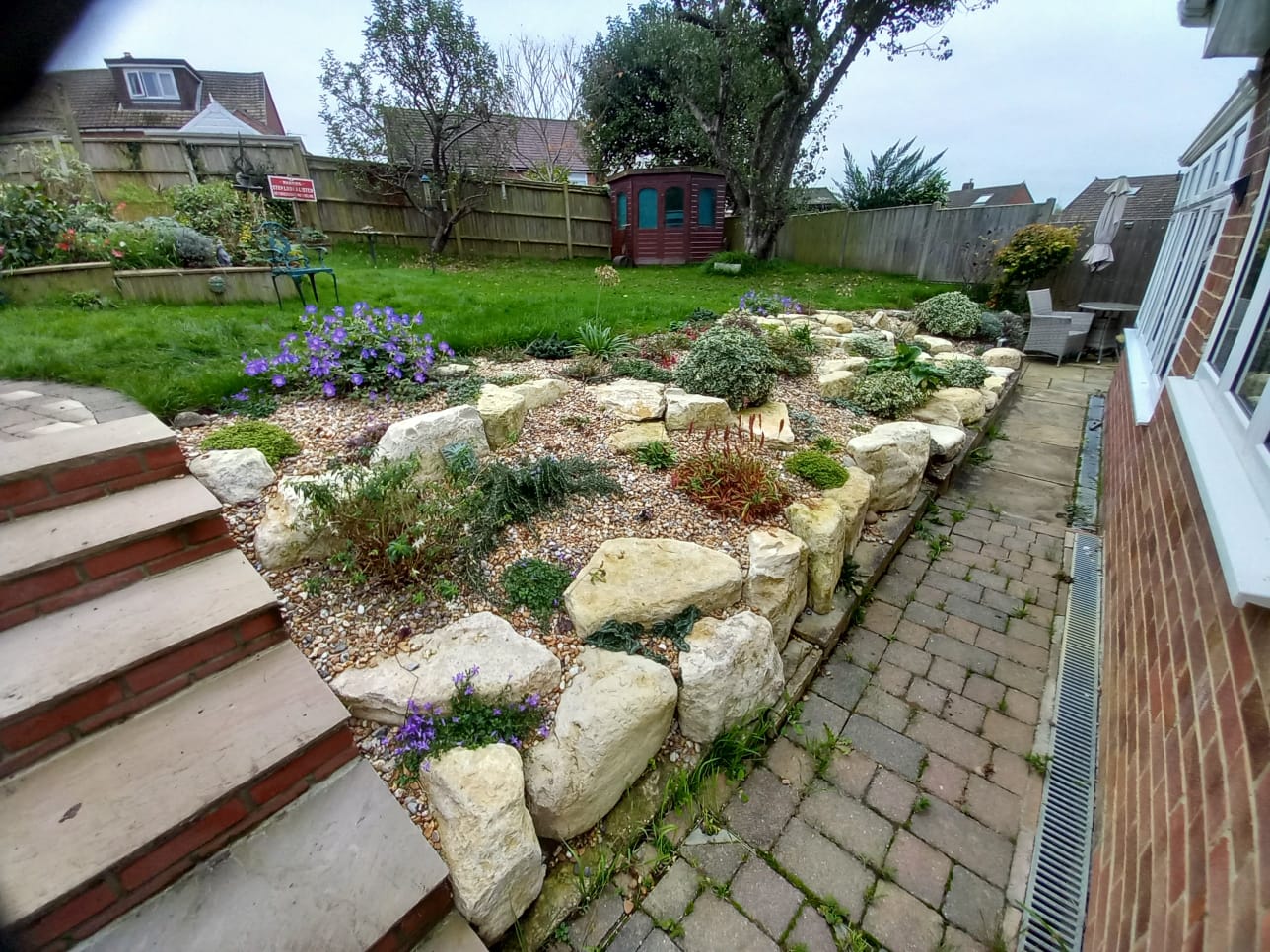
How Frost Affects Different Types of Stone
A Winter Guide to Paving, Aggregates & Landscaping Materials
Winter frost can have a significant impact on outdoor stone, particularly in gardens, driveways and landscaped areas. At Hampshire Garden Supplies, we often speak to customers who want reassurance that the materials they choose will stand up to cold, wet winter conditions.
Understanding how frost affects different types of stone will help you make informed decisions, whether you’re planning a new project or checking that existing surfaces are winter-ready.
Why Frost Can Damage Stone
Frost damage is caused by the freeze–thaw cycle. When moisture enters the surface of stone and temperatures drop, the water freezes and expands. Over time, this repeated expansion can lead to:
-
Cracking or splitting
-
Surface flaking (spalling)
-
General weakening of the stone
The level of damage largely depends on how porous the stone is and how well it has been installed.
How Frost Affects Common Landscaping Stones
Natural Sandstone Paving
Sandstone remains one of the most popular choices for patios and pathways due to its natural appearance and colour variation.
-
Frost performance: Good-quality sandstone is generally frost resistant, though more porous varieties can absorb water.
-
Best practice: Proper drainage and a solid sub-base are essential to minimise frost-related issues.
Many customers choose our natural sandstone paving slabs for projects where appearance and durability are equally important.
Limestone
Limestone offers a smoother, more uniform finish and is often denser than sandstone.
-
Frost performance: Performs well in winter conditions when correctly laid.
-
Things to consider: Softer limestones may show surface wear if water is allowed to sit on the surface.
Limestone is commonly used for patios, paths and coping stones where a clean, contemporary look is desired.
Porcelain Paving
Porcelain paving is increasingly popular for modern landscaping projects and performs exceptionally well in winter.
-
Frost performance: Excellent — porcelain is non-porous and absorbs very little moisture.
-
Benefits: Resistant to frost, staining, algae and general wear.
For customers looking for a low-maintenance, frost-resistant option, our range of outdoor porcelain paving is ideal.
Decorative Aggregates, Gravel & Chippings
Loose materials such as gravel and decorative aggregates are naturally well suited to winter conditions.
-
Frost performance: Very good — water drains freely, reducing freeze–thaw damage.
-
Best uses: Driveways, paths, borders and drainage areas.
Products such as decorative gravel, slate chippings and shingle offer both practicality and visual appeal throughout the winter months.
Setts, Cobbles & Sub-base Materials
Stone setts and structural materials are designed for strength and longevity.
-
Frost performance: High, provided they are installed on a properly prepared base.
-
Key factor: A well-compacted sub-base prevents movement caused by freezing ground conditions.
Porcelain vs Natural Stone – Which Performs Best in Winter?
The table below compares porcelain paving with popular natural stone options to help you quickly assess which material is best suited to winter conditions.
| Feature | Porcelain Paving | Sandstone | Limestone |
|---|---|---|---|
| Frost Resistance | Excellent – non-porous, minimal water absorption | Good – varies by quality and porosity | Good – generally denser than sandstone |
| Water Absorption | Very low | Medium | Low to medium |
| Freeze–Thaw Risk | Very low | Moderate if drainage is poor | Low to moderate |
| Maintenance | Very low | Moderate – may need sealing | Moderate |
| Algae & Moss Growth | Resistant | Can develop in damp areas | Can develop in shaded areas |
| Durability | High and consistent | High (quality dependent) | High |
| Slip Resistance | High (when using outdoor-rated finishes) | Good natural grip | Good |
| Appearance | Consistent, modern finishes | Natural variation and character | Clean, uniform natural look |
| Suitability for Winter Projects | Excellent | Very good with correct installation | Very good with correct installation |
| Best Used For | Low-maintenance patios, modern gardens | Traditional patios, paths | Patios, coping stones, contemporary gardens |
While porcelain offers the highest level of frost resistance overall, sandstone and limestone remain strong choices where appearance and character are key — provided correct installation and drainage are in place.
Installation Matters as Much as the Type of Stone
Even the most frost-resistant materials can fail if installation is poor. To reduce the risk of frost damage, we recommend:
-
A well-prepared and compacted sub-base
-
Adequate drainage to prevent standing water
-
Correct jointing materials
-
Professional installation for paving and driveways
Our experienced team is always happy to offer practical advice on choosing the right materials for winter conditions.
Preparing for Winter – and Spring Projects
Winter is an excellent time to plan ahead. Choosing stone and aggregates that cope well with frost now can prevent costly repairs later and ensure your outdoor spaces are ready to enjoy when warmer weather returns.
Hampshire Garden Supplies stocks a wide range of paving, aggregates and landscaping materials, available for prompt local delivery, with expert advice available from our experienced team.
Read more
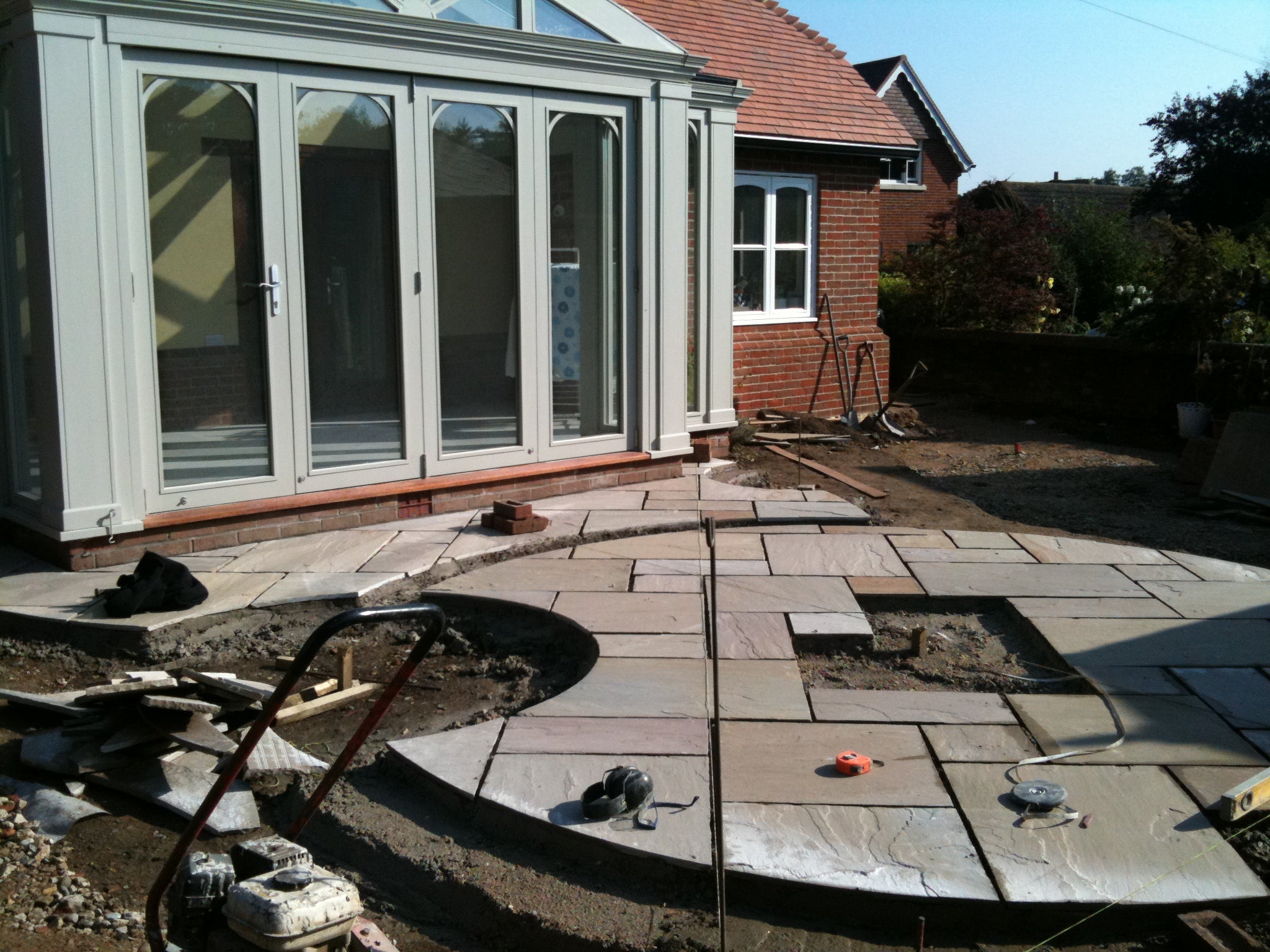
Spring DIY Landscaping: Get Your Garden Ready for the Season
As the weather warms up, now is the perfect time to start your DIY landscaping projects. Whether you’re laying a new patio, installing a path, or refreshing your garden’s structure, Hampshire Garde...
Read more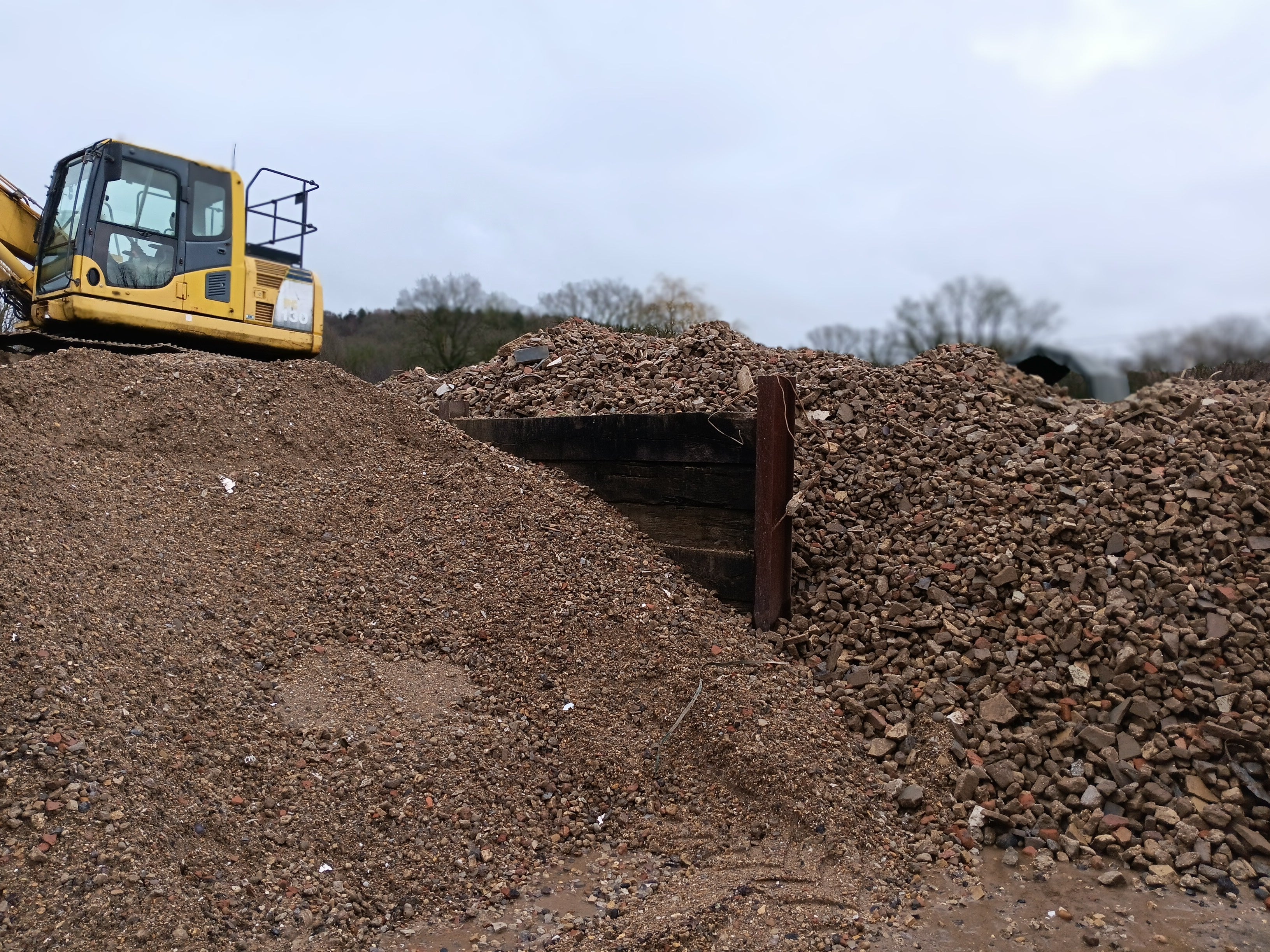
DIY Projects Using Recycled Ballast and Crushed Concrete
Get your DIY garden projects off to the right start this February and March with recycled ballast and crushed concrete sub-base from Hampshire Garden Supplies. Perfect for patios, paths, shed bases...
Read more